Cultural Shifts That Are Redefining Modern Society
Cultural change refers to the slow, quantitative transformation of cultural content and structure. It is divided into two categories: unconscious natural change and planned conscious change, encompassing the evolution of cultural characteristics, patterns, and other elements. Its core mechanisms include innovation, dissemination, and acculturation. Driving forces involve factors such as internal social development, changes in the natural environment, and cross-cultural contact. The borrowing process is selective. This process is dialectically related to social change: changes in social relations and group structures often drive cultural change, while the evolution of cultural styles also reflects the transformation of social forms.
Main Cultural Characteristics of Modern Society
Individualization
- The trend of individualization in modern society makes people pay more attention to personal value and freedom, promoting the development of individuality and self-realization.
- However, individualization also brings some problems, such as loneliness and anxiety, requiring attention to individual mental health and social belonging.
- Under the trend of individualization, people need to focus on balancing personal freedom and social responsibility, and establish a positive and healthy social mentality.
Innovation
- Innovation is one of the important cultural characteristics of modern society, driving the continuous development and progress of science, technology, art, and other fields.
- Innovation requires an open and inclusive cultural environment that encourages people to dare to try, to be brave enough to fail, and to constantly pursue excellence.
- Under the trend of innovation, people need to focus on cultivating innovative thinking and innovative abilities to adapt to the rapidly changing social environment.
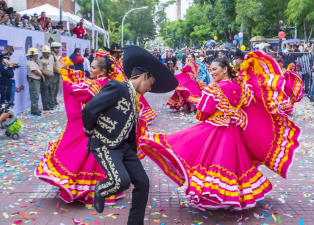
Globalization and Cultural Integration
Cultural Industry and Globalization
- Globalization has promoted the development and expansion of the cultural industry, making it an important pillar of the national economy.
- In the context of globalization, the cultural industry exhibits internationalization, diversification, and digitalization trends.
- Strengthening policy support and talent cultivation for the cultural industry is crucial to enhancing its competitiveness.
Digitalization and Cultural Dissemination
- Digital technology provides convenient and efficient channels for cultural dissemination, promoting the process of cultural globalization.
- Digital technology has changed the way culture is disseminated and consumption habits, providing ample space for innovation in the cultural industry.
- In the digital age, strengthening cybersecurity and intellectual property protection is essential to maintaining fairness and justice in cultural dissemination.
Conclusion
In the process of cultural globalization, it is necessary to continuously advocate cultural diversity and focus on protecting the characteristics and connotations of traditional culture. Protecting traditional culture is not just about preserving cultural heritage; it's also about creating industries and employment opportunities in the process of its transmission. Let's take action together to protect our traditional culture, and at the same time, explore the diversity of the world through cultural exchange and integration, conveying more beauty and value.