Cultural Trends That Are Crossing Borders
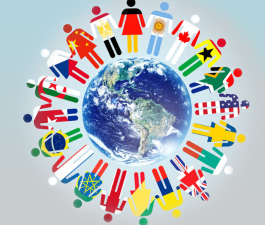
Cultural interaction refers to the exchange and interaction between people from different countries or regions through various forms and channels, thereby promoting cultural integration and collision. With the deepening of globalization, cross-border cultural interaction has become increasingly important. In today's globalized era, cultural exchange has become an important way to promote mutual understanding, eliminate prejudice, and promote peace around the world. The cultures of different countries and ethnic groups collide and spark a vibrant tapestry during exchanges.
The Importance and Impact of Cross-Border Cultural Interaction
Economic Interaction
Cross-border cultural interaction plays a positive role in promoting economic development. The collision of cultures makes economic exchanges between different countries more frequent, and trade between countries flourishes.
Educational Interaction
Cross-border cultural interaction also plays an important role in the field of education. By learning about the cultures of different countries, people broaden their knowledge and improve their overall quality.
Technological Interaction
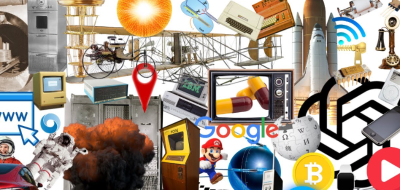
The development of modern technology has made cross-border cultural interaction more convenient and widespread. Through the internet, social media, and other technological means, people can quickly access cultural information from all over the world and communicate with people from other countries. For example, various online learning platforms allow people to learn about other countries' cultures anytime, anywhere. Furthermore, technological advancements have promoted cooperation and exchange among people of different countries, driving cultural exchange and integration.
Social Interaction
Cross-border cultural interaction is of great significance to social harmony and stability. By understanding and respecting different cultures, people can enhance mutual understanding and friendship, thereby reducing misunderstandings and conflicts. For example, cultural exchange activities can promote friendly relations between different countries and provide more opportunities for cooperation in solving global problems. In addition, cultural interaction can promote shared human values, spread positive energy, and drive social progress and development.
Artistic Interaction
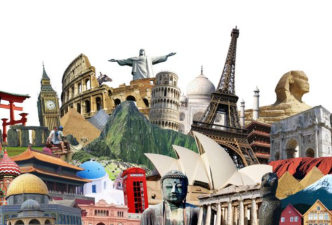
Cross-border cultural interaction has a significant impact on artistic creation and performance. The fusion of different national cultures and arts adds more creative elements and forms of expression to the art world. For example, the collision of diverse cultures makes artworks more diverse and inclusive. Furthermore, cultural interaction among artists provides more inspiration and enlightenment for each other's creations, promoting the progress and development of art.

Challenges of Cultural Exchange
Cultural differences and language barriers can lead to misunderstandings and conflicts. Therefore, in cultural exchange, we need to maintain an open mind and respect each other's cultural traditions and values. Through equal, mutually beneficial, and inclusive exchanges, we can grow together and jointly promote the prosperity and development of world culture.
To further strengthen cultural exchange, governments and social organizations should provide more support and platforms. By formulating relevant policies, strengthening international cooperation, and encouraging people-to-people exchanges, we can create a better environment for cultural exchange. At the same time, education is also an important way to cultivate intercultural awareness and competence. We should focus on cultivating the intercultural awareness and skills of the younger generation, making them the backbone of promoting cultural exchange.
Conclusion
In this era of globalization, cultural exchange has become an indispensable part. Let us join hands to promote the prosperity and development of world culture and create a better and more harmonious world.