How Digital Life Is Changing Human Behavior
In today's rapidly changing world, the digital economy is permeating every aspect of our lives at an unprecedented pace, quietly transforming every corner of society. It not only makes life more convenient but also brings us rich entertainment experiences, optimized education models, and revolutionary healthcare services. However, the widespread adoption of digital life has also triggered a series of real-world problems, including privacy and security concerns, social alienation, information overload, and the digital divide.
The Changing Rhythm and Form of Daily Life
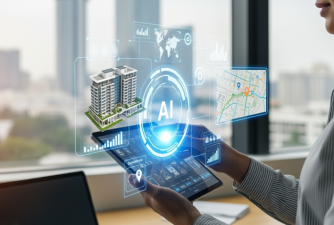
Digitalization is first and foremost changing the rhythm and form of our daily lives. Morning alarms, weather, traffic, news, and schedules are increasingly being aggregated digitally on mobile phones, watches, and smart home devices. We no longer simply receive information but plan our day through data-driven recommendations and personalized reminders. Regarding commuting, map navigation, real-time traffic conditions, and transparent travel costs make choices more rational; ride-sharing, car-hailing, and cashless payments have become commonplace, reducing the need to carry cash while also bringing new demands for account security and privacy protection.
The ways we access information and enjoy entertainment are also undergoing systemic changes. The convergence of diverse media such as online search, video platforms, short videos, and podcasts has given people a wider range of choices, but it has also brought about problems of information fragmentation and distraction. Digitalization makes knowledge acquisition more accessible, but it also requires individuals to have the ability to filter, judge, and integrate information to avoid being distracted by a large amount of noise.
Structural Transformation of Work and Learning
Digitalization has driven a structural transformation in work and learning. Remote collaboration tools, cloud-based office platforms, and knowledge management systems have changed the boundaries of the work environment. Cross-regional, cross-departmental, and cross-time zone collaboration has become the norm; the work "location" is no longer constrained by time and space, but has become more of a virtual collaborative space. Meetings have shifted from face-to-face to hybrid and online organizational forms, and the trade-off between efficiency and cost has become a new management issue.
In terms of learning, digitalization has brought the possibility of personalized learning paths. Online courses, virtual experiments, simulation training, and intelligent assessments enable learners to arrange their learning plans according to their personal pace, interests, and needs. The digitalization of educational resources has lowered the barriers to access, allowing students in remote areas to access high-quality educational resources. However, digital learning also exposes a dependence on self-motivation, information literacy, and technological equipment and network conditions. How to strike a balance between open resources and learning quality has become a crucial issue in education governance.
Enterprises and individuals often focus on data acquisition, analysis, and application during digital transformation. The application of technologies such as big data, artificial intelligence, and the Internet of Things enables enterprises to extract insights from massive amounts of information, optimize processes, and improve customer experience. From an individual perspective, career development paths are also converging towards "data capabilities, cross-domain collaboration, and continuous learning." At the same time, this heavy reliance on data brings new challenges in data governance, compliance, and ethics. The focus of corporate governance is gradually shifting from efficiency-oriented to a direction centered on responsibility, transparency, and explainability.
Digital Upgrading of Health, Medical, and Elderly Care Services
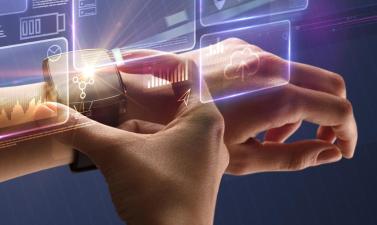
The application of digital technology in the medical field has brought convenience to our health security. Telemedicine allows patients to enjoy expert medical services without traveling, intelligent health monitoring devices monitor health data in real time, and electronic medical record systems realize the digital management of patient information.
Meanwhile, the digital economy has also promoted the intelligent development of health management. Wearable devices, mobile applications, and other tools allow people to monitor their health status in real time, record exercise data, and manage their diet and lifestyle. This intelligent health management approach not only raises people's health awareness but also promotes the rapid development of the health industry.
Conclusion
The digital economy is changing our lifestyles and behaviors at an unprecedented pace, allowing us to enjoy a more convenient, efficient, and diverse life experience. In this rapidly changing era, we need to actively adapt to the development trend of the digital economy and improve our digital literacy to better meet the demands of this digital age.