With the deepening of globalization, the connections between countries have become increasingly close, thus having a significant impact on economic and social development. The current world economy is undergoing profound transformation, with structural reshaping occurring in growth patterns, industrial chain layouts, and monetary systems. These changes not only alter the logic of global economic operation but also have a wide-ranging and profound impact on social structures, employment markets, international relations, and even the lives of ordinary people. The core conclusion is that while global economic transformation creates new opportunities, it also exacerbates development inequalities between different groups and countries, posing multiple challenges to the global governance system and social stability.
The Impact of Rapid Technological Development on the Global Economy
Production Efficiency and Cost Restructuring:
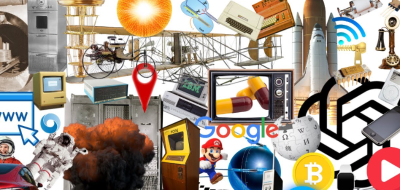
New technologies, represented by artificial intelligence, big data, and blockchain, are driving efficiency improvements across various industries. For example, intelligent manufacturing significantly improves production efficiency through automation and data analysis while reducing the proportion of labor costs; fintech makes transactions more convenient, risk assessment more accurate, and reduces human intervention and error rates.
Industrial Upgrading and the Rise of Emerging Markets:
New technologies are giving rise to new business models. For instance, intelligent manufacturing is driving the transformation of the manufacturing industry towards high-end products, while fintech is giving rise to new models such as digital payments and robo-advisors. These changes not only alter the traditional industrial landscape but also create new economic growth points, driving the optimization of the global economic structure.
Changes in the Global Competitive Landscape:
Technologically leading countries occupy the high end of the industrial chain by mastering core technologies, thereby obtaining higher added value; technologically lagging countries face pressure to upgrade their industries and need to accelerate their catch-up through policy guidance and investment, otherwise they may be marginalized.
Impact of Changes in the International Trade Landscape on the Global Economy
Increased Trade Costs and Decreased Efficiency:
The rise of trade protectionism has led to higher tariffs and more non-tariff barriers, directly increasing the import and export costs for enterprises and reducing the efficiency of global trade.
Restructuring of Industrial and Supply Chains:
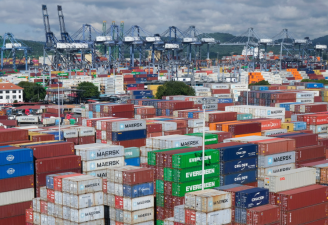
Trade disputes prompt enterprises to adjust their supply chain layout, shifting from "global division of labor" to "regionalization" or "localization" to reduce geopolitical risks. This process may trigger industrial relocation, affecting employment and economic growth in relevant countries.
Challenges to the Multilateral Trading System:
Trade protectionism impacts multilateral mechanisms such as the World Trade Organization (WTO), weakening the authority of global trade rules, increasing the uncertainty of trade policies, and hindering the process of global economic integration.
The Impact of Demographic Changes on the Global Economy
Labor Shortages and Shrinking Consumption in Developed Countries:
An aging population leads to a contraction in the labor market, increasing labor costs for businesses. Simultaneously, the lower propensity to consume among the elderly may inhibit economic growth. For example, Japan, due to its severe aging population, has long faced labor shortages and weak domestic demand.
Coexistence of Demographic Dividend and Employment Pressure in Developing Countries:
A young population structure provides developing countries with a labor advantage, but insufficient job opportunities or a shortage of educational resources may lead to rising unemployment and social instability, thereby affecting the release of economic potential.
Increased Social Security Burden:
An aging society needs to bear higher pension and medical expenditures, increasing the financial burden on governments and potentially crowding out investment in education, infrastructure, and other areas, thus constraining long-term economic growth.
The Impact of Geopolitical Instability on the Global Economy
Risk of Energy Supply Disruptions:
Regional conflicts may lead to disruptions in the supply of key energy sources such as oil and natural gas, pushing up international energy prices and exacerbating global inflationary pressures. For example, tensions in the Middle East often trigger oil price fluctuations, affecting the economies of energy-importing countries.
Deteriorating Investment Environment and Capital Outflow:
Political instability increases business risks, reduces investor confidence, and leads to capital flight from conflict zones to more stable areas. This capital reallocation may exacerbate regional economic imbalances.
Fragmentation of the Global Governance System:
Geopolitical conflicts weaken the willingness for international cooperation, hinder the resolution of global issues such as climate change and public health, and increase external uncertainty in the global economy.
Conclusion
The world's changes are characterized by five major features: technology-driven, climate-constrained, trade restructuring, demographic differentiation, and geopolitical competition. These changes are profoundly reshaping the global economic landscape through mechanisms such as efficiency improvements, cost restructuring, supply chain adjustments, and risk transmission. Countries and businesses need to proactively adapt to these changes through strategies such as technological innovation, green transformation, supply chain diversification, optimized population policies, and geopolitical risk hedging to achieve sustainable development in a complex environment.