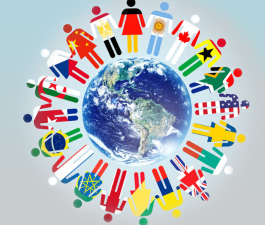
Cultural globalization refers to the dissemination of ideas, meanings, and values worldwide to expand and strengthen social relations. This process is characterized by the shared consumption of culture disseminated through the internet, popular culture media, and international travel. This has a long history of cultural significance in the exchange of goods and colonization on a global scale. The spread of culture enables individuals to participate in a wide range of social relations that transcend national and regional borders. The establishment and expansion of these social relations are not merely observed on a material level. Cultural globalization involves the formation of shared norms and knowledge, which people link to personal and collective cultural identities.
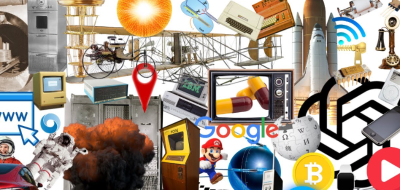
The development of the digital cultural industry is particularly noteworthy. With the continuous maturation and widespread application of technologies such as artificial intelligence, big data, VR/AR, and blockchain, the production, dissemination, and consumption models of the cultural industry have undergone revolutionary changes. A large number of new cultural and entertainment enterprises, such as online video, live streaming, and digital entertainment, have emerged and become important pillars of the cultural industry. Digital technology has also provided new paths for the inheritance and innovation of traditional culture; digital museums and digital cultural relics allow ancient cultures to enter the public eye in a new light, triggering more business opportunities.
Definition
Cultural globalization refers to the flow of all cultures in the world globally in various ways, under the simultaneous influence of "integration" and "distinction." We might call the cultural communities formed during the process of cultural globalization "globalized cultures." Understanding the characteristics of globalized cultures is understanding cultural globalization itself.
Deep Integration of Technology and Culture: A "Multi-Sensory Revolution" in Art Consumption
With continuous technological breakthroughs, technologies such as artificial intelligence, big data, and blockchain will be more deeply applied in the cultural industry. Artificial intelligence can assist in the creation of cultural products, improve production efficiency, and enrich creative forms; big data can accurately understand consumer needs, enabling personalized recommendations and precise marketing of cultural products; blockchain technology can be used for cultural copyright protection, safeguarding the rights of creators and optimizing the cultural industry ecosystem. These technologies will comprehensively promote the development of the cultural industry towards digitalization, intelligence, and three-dimensional spatialization, giving rise to more innovative business formats and models.
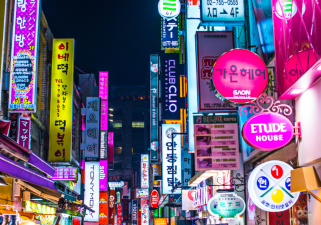
Deep Integration of Culture and Tourism: Unleashing New Consumption Potential
By exploring local cultural characteristics and cleverly integrating cultural elements into tourism products and services, we can not only enhance the cultural connotation and experience of tourism but also unleash the enormous potential of scenario-based and immersive tourism consumption, breaking the limitations of traditional tourism's over-reliance on resource endowments and achieving synergistic progress between the cultural and tourism industries.
Trend Causes and Future Outlook
Underlying Driving Factors
Technologies such as AI and XR reduce the costs of creation and dissemination, making the scaling and personalization of cultural products possible.
Generation Z's pursuit of "emotional value" and "instant experience" is driving the explosion of immersive and interactive consumption scenarios.
Conclusion
Cultural phenomena are exhibiting characteristics of diversification, socialization, and complexity. In this era of unprecedented change, policy guidance, social development, and the interplay of diverse values reveal that only the inheritance of culture guarantees the continuation of national spirit, and this is the foundation for our continued commitment to change and our confidence.