International Stories That Matter Today
The international landscape is constantly shifting, with numerous hotspots emerging. From North America to the Middle East, from Europe to Asia, every region is experiencing unprecedented challenges and transformations. The international situation in 2026 is fraught with both challenges and opportunities. Countries are demonstrating different strategies and stances in responding to domestic political changes, regional conflicts, and global issues. We need to continue to pay close attention to these hotspots, deeply analyzing their underlying causes and impacts in order to better understand this ever-changing world.
The US and Iran reiterate their strong stance on the Strait of Hormuz
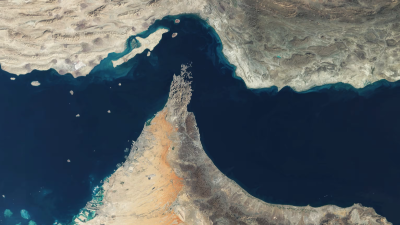
Anwar Gargash, a foreign policy advisor to the UAE president, criticized Iran's insistence on controlling the Strait of Hormuz as tantamount to "hostile piracy" and setting a dangerous precedent for other strategic waterways globally. Aziz countered that these Middle Eastern neighbors, riddled with US military bases, were "the real pirates betraying the Middle East," and accused the US of being "the world's biggest pirate."
However, Iran's claims are untenable for most Gulf states. Only Oman, which controls the southern shore of the strait and has close ties with Iran, consulted with Tehran earlier in April to ensure safe passage for ships.
Regarding Iran's earlier decision to reopen and then close the Strait of Hormuz within 24 hours, raising questions about internal divisions, Aziz refuted these claims, stating that "when it comes to national security, there is no distinction between moderates and hardliners"; the fate of this waterway will be decided by Iran's highest leadership.
The US-Iran ceasefire is currently in effect for 14 days, expected to expire on April 22. The US Central Command is also blockading Iranian ports and confirmed on the 19th the seizure of an Iranian cargo ship attempting to cross the blockade.
On April 12, local time, Nabawian, Vice Chairman of the National Security Committee of the Iranian Islamic Parliament, who participated in the US-Iran negotiations in Islamabad, posted on social media that three major principled differences existed between the US and Iran during the negotiations, and the Iranian delegation firmly defended its national interests and "resisted unreasonable demands":
- The US demanded "equal sharing of benefits" with Iran in the revenue and management of the Strait of Hormuz;
- The US demanded that Iran ship all uranium enriched to 60% or higher out of the country;
- The US demanded that Iran be stripped of all uranium enrichment rights for the next 20 years.
The Israeli war in Lebanon continues
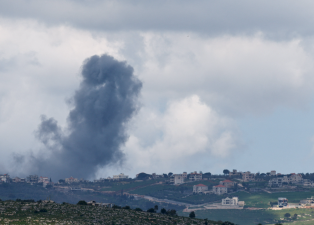
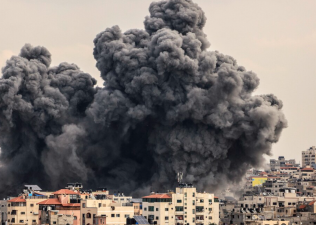
Israel's push for its "yellow line" policy in Lebanon could symbolize an extension of its Gaza-style military control model to southern Lebanon, including the continued demolition of villages and the designation of certain areas as potential threats, further escalating tensions.
The international community is closely monitoring this development, concerned that the measure could affect the stability of the ceasefire and even sow the seeds for further conflict.
On April 12, local time, Israeli Prime Minister Netanyahu stated that "Israel's war in Lebanon continues."
The Prime Minister's Office issued a statement on the morning of April 8 stating that Israel supports Trump's decision to suspend attacks on Iran for two weeks, but that the two-week ceasefire does not include Lebanon.
A magnitude 7.5 earthquake struck Aomori, Japan
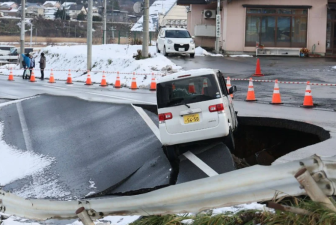
An earthquake struck Aomori Prefecture, Japan, at 4:53 PM local time (3:53 PM Taipei time) today (August 20th). The magnitude was revised upwards from 7.4 to 7.5, with a maximum intensity of 5 recorded in Shitagami Town, Aomori Prefecture. The Japan Meteorological Agency immediately issued a tsunami warning and alert, urging residents along coastlines and near rivers to evacuate to higher ground or shelters to prevent tsunami damage.
The Meteorological Agency pointed out that tsunamis may strike repeatedly, and their arrival time and actual height are uncertain. Some areas may experience waves higher than predicted. It emphasized that areas under tsunami warnings are expected to experience damage, and residents near coastlines or rivers should immediately evacuate to higher ground or shelters and remain in safe locations until the warning is lifted.
For areas under alert, the sea and coastal areas remain dangerous; residents should avoid approaching the sea or engaging in swimming activities.