What’s Driving Global Tensions Right Now
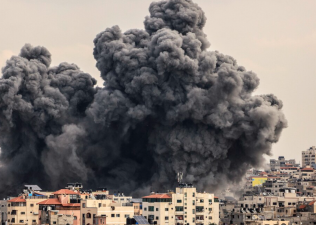
In today's era, the grim global situation is becoming increasingly apparent, with a complex interplay of factors contributing to this tense climate. The international balance of power is undergoing profound adjustments. Some developed countries are plagued by internal contradictions and escalating problems. Countries that once dominated the old international political and economic order are clearly ill-suited to the rapid development of multipolarity, clinging to unipolar hegemony and becoming increasingly unpopular. Meanwhile, emerging market countries and a large number of developing countries are developing rapidly, their international influence is constantly increasing, and multipolarity is becoming an unstoppable trend of the times.
Politically:
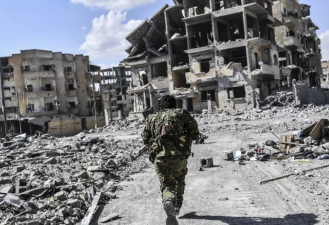
Geopolitical conflicts continue to escalate, such as the Russia-Ukraine conflict. These conflicts not only affect relations between the countries involved but also have a profound impact on the global political landscape.
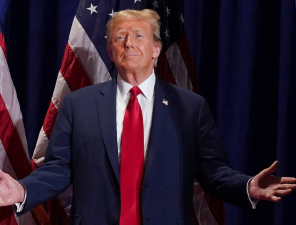
Trade protection policies and sanctions imposed on some countries by the Trump administration exacerbated international tensions. Although there has been some recent easing, tariffs and other measures remain, creating uncertainty for the global economy and trade.
Economically:
Global economic growth is showing a divergent trend, with differences in economic indicators across different countries and regions, leading to imbalances in resource allocation and market competition.
The rise of trade protectionism and tariff barriers has impacted the stability of global supply chains, increasing production costs and operational risks for businesses.
Social Aspects:
The exacerbation of social inequality and livelihood issues has led to social unrest and protests in some countries. For example, protests erupting in many parts of the United States reflect strong public skepticism towards the Trump administration's immigration policies and the "Make America Great Again" ideology.
Cultural clashes and value differences brought about by globalization are also contributing factors to social tensions.
Military Aspects:
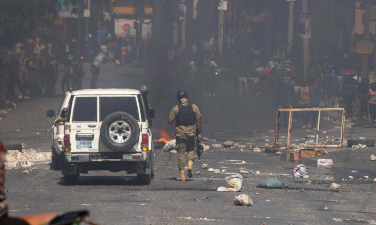
The escalation of regional conflicts and military confrontations is a significant cause of global tensions. For example, the Russia-Ukraine conflict continues to escalate, with both sides launching large-scale airstrikes and drone attacks.
Some countries, in order to protect their own interests and regional influence, have intensified their military buildup and engaged in an arms race, which has also exacerbated international tensions.
Cultural Aspects:
Differences and misunderstandings between different cultures can lead to tensions in international relations. For example, cultural differences may cause misunderstandings and prejudices between some countries, thus affecting cooperation and communication.
In conclusion, the causes of global tensions are multifaceted and complex. To ease these tensions, countries need to strengthen communication and cooperation to jointly address global challenges. At the same time, countries also need to strengthen their own development and construction, and enhance their comprehensive national strength and international competitiveness.
Which specific aspect of information would you like to know more about? For example, the underlying causes of political conflicts, or the impact of trade protectionism in the economic sphere.